The Hidden Dangers of Skipping Gutter Cleaning in Hackettstown
Gutters tend to disappear into the background until something goes wrong. They run along the roofline, collect leaves, carry rainwater away, and most of the time nobody gives them a second thought. In a place like Hackettstown, that quiet job matters more than many homeowners realize. One missed season of maintenance can set off a chain reaction that starts with clogged troughs and ends with roof leaks, damaged siding, rotted trim, flooded basements, and winter ice problems that are expensive to correct.
That is the real hazard of neglect. Gutter trouble rarely announces itself with one dramatic failure. More often, it builds slowly. Water begins to back up. Debris stays damp. Fasteners loosen under extra weight. Overflow hits places it was never meant to hit. By the time a homeowner notices a stain on the ceiling or sees mulch washed out from the flower beds, the issue has already been developing for months.
For homeowners thinking about Gutter Cleaning Hackettstown services, the biggest mistake is treating gutter maintenance as cosmetic. It is not about making the edge of the roof look neat. It is about controlling water, and water is one of the most destructive forces a house has to deal with.
Why Hackettstown homes are especially vulnerable
Hackettstown gets a little bit of everything. Heavy spring rains, summer downpours, falling leaves in autumn, and freeze-thaw cycles through winter create the perfect conditions for clogged gutters to become a structural problem. Homes shaded by mature trees, especially maples, oaks, and pines, face even more buildup. Broad leaves mat together and block downspouts. Pine needles work their way into every seam. Seed pods, twigs, and shingle grit settle at the bottom and form a dense sludge that does not wash away on its own.
A house does not need to sit in a forest to have this problem. One or two overhanging trees can fill a gutter surprisingly fast. I have seen short sections above a garage pack solid after a single windy weekend in late fall. Once the outlet clogs, the rest of the system stops behaving like a drainage channel and starts acting like a trough full of wet compost.
Hackettstown’s seasonal weather makes that worse. In a warmer climate, standing water is already a problem. Here, standing water can freeze. That extra freeze factor changes the risk. A clogged gutter in October may seem like a nuisance. The same gutter in January can contribute to ice dams, separated joints, bent hangers, and water pushed back under shingles.
Water always finds the weak point
The main purpose of a gutter system is simple, move water away from the house in a controlled path. When that path is blocked, water does not politely wait for an opening. It spills over the front edge, runs behind the gutter, or pools until it breaches a seam. Every one of those outcomes puts moisture where it should not be.
Overflow at the front is often the first thing people notice. During a rainstorm, water pours over the sides like a waterfall. Some homeowners assume the storm is just too heavy and any gutter would overflow. Sometimes that is true during a severe downpour, but more often the culprit is blockage. If the channel and downspouts were clear, the system could handle the volume. Once leaves and sediment narrow the flow path, even an ordinary storm can send water over the edge.
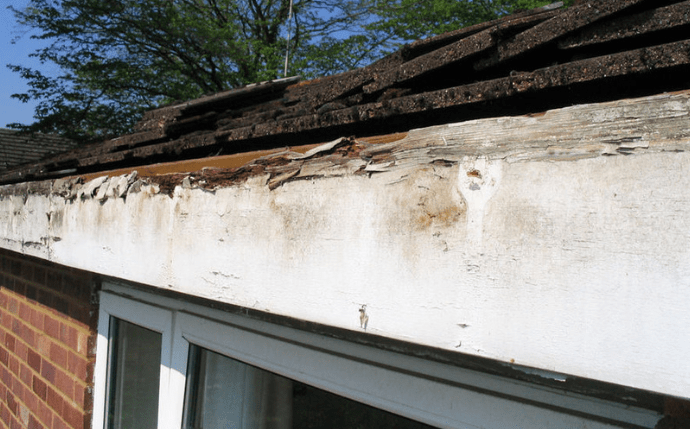
Overflow behind the gutter is usually worse because it is less visible. When debris dams the water, it can back up under the roof edge or spill against the fascia board. That repeated wetting begins to break down paint, soften wood, https://waylonsmyc954.novacrestiq.com/posts/diy-vs-professional-gutter-cleaning-in-hackettstown-what-s-better and invite rot. The rot may not show from the ground until it is advanced. By then, repairs often involve more than just cleaning. Sections of fascia, soffit, or drip edge may need replacement.
There is a practical reason experienced contractors pay so much attention to water paths. Moisture damage compounds. A little rot loosens a fastener. A loose fastener lets the gutter pitch change. Bad pitch leaves more standing water. Standing water adds weight, which pulls the gutter farther away from the house. Small problems rarely stay small when they involve drainage.
Foundation damage starts at the roofline
Many homeowners associate foundation issues with grading or basement cracks, not with gutters. That connection is easy to miss until you see how much water a roof sheds. Even a modest home can channel a huge volume of water during a steady storm. If gutters are blocked, all of that runoff can drop directly beside the foundation.
When the ground near the house gets saturated over and over, problems follow. Soil can erode. Mulch washes away. Basement walls are exposed to more hydrostatic pressure. Crawl spaces stay damp. In homes with older waterproofing, that repeated saturation can reveal every weak spot. Sometimes the first sign is not a dramatic flood. It is a musty smell, a damp patch near a wall, peeling paint, or white mineral deposits on basement masonry.
Hackettstown has homes of different ages and site conditions, and that matters. A newer home with good grading and properly extended downspouts may tolerate some overflow for a while before obvious symptoms appear. An older home with settled soil or a basement that already takes on occasional moisture has much less margin for error. In those cases, clogged gutters are not a standalone problem. They are the extra stress that tips an existing weak point into a repair call.
I have seen homeowners spend real money on interior waterproofing while ignoring the roof drainage outside. That is like mopping a floor while leaving the window open in a storm. If water is being dumped against the house at the perimeter, you address that first.
Roof damage is often blamed on the wrong thing
When roof leaks show up, gutters are not always the first suspect. People look at shingles, flashing, or roof age, and they should. But clogged gutters can play a direct role in leaks, especially near the lower edges of the roof.
When water backs up in a packed gutter, it can wick into materials that are designed to shed water, not sit in it. Underlayment, roof decking, and the edge of the sheathing are all more vulnerable when moisture remains trapped against them. In winter, that backed-up water can freeze and create an ice dam. Instead of flowing off the roof, melting snow refreezes at the cold edge. Water behind that ridge has nowhere to go except upward and inward.
The interior signs do not always show up right away. A stain at the top corner of a room, bubbling paint, or damp insulation in the attic may seem disconnected from gutter maintenance. They are often related. By the time those interior clues appear, the house has usually been dealing with poor drainage for a while.
There is also the issue of granule and debris accumulation. Gutter cleaning is not just about removing leaves. It is one of the easiest opportunities to spot roofing wear early. Excess asphalt granules in a gutter can point to aging shingles. Pieces of flashing, nail heads, or unusual debris can signal that something on the roof needs a closer look. Skip cleaning long enough, and you lose that chance to catch small roof issues before they become interior water damage.
Winter raises the stakes
Neglect in the warmer months sets the stage for winter headaches. In Hackettstown, where freezing temperatures are part of the seasonal cycle, a clogged gutter can shift from inconvenience to hazard quickly.
Water trapped in a gutter expands when it freezes. That puts stress on seams, brackets, and the gutter profile itself. Metal can deform. Vinyl can crack. Fasteners can pull loose from the fascia. If the gutter is already carrying a load of wet leaves and sediment, the combined weight can be substantial. Sagging sections then hold even more water, which creates a cycle that feeds itself.
Ice dams are the problem many homeowners hear about, but not everyone understands how often poor drainage contributes to them. Heat escaping from the attic melts snow higher up on the roof. The meltwater flows down to the colder edge, where it refreezes. If the gutter edge is clogged or frozen solid, that process accelerates. The resulting ridge of ice traps more water behind it. That water can travel under shingles and into the house.
Removing ice after it forms is difficult and sometimes dangerous. Chipping at it can damage roofing materials. Heating cables can help in some setups, but they are not a substitute for proper drainage and attic performance. The best approach is prevention, and prevention starts well before the first hard freeze.
Pests love neglected gutters
A clogged gutter is not just wet debris. It is habitat. Leaves break down into organic matter, hold moisture, and create shelter. That can attract insects, including mosquitoes in warm months where standing water is present, as well as ants, earwigs, and other pests that thrive in damp conditions. Birds may pull material from clogged sections for nesting. Rodents can use overhanging branches and packed debris as a bridge to the roofline.
This matters because gutters sit at a critical transition point between roof, attic, and exterior walls. Pest activity near that edge increases the chances of entry into soffits, vents, or gaps around the eaves. Once animals find a way in, the cost of addressing the problem rises fast. What started as a missed cleaning can turn into pest control, insulation replacement, and repairs to chewed or contaminated areas.
Homeowners sometimes assume gutter guards eliminate this concern entirely. Guards can reduce large debris entry, and in some homes they help a lot. They are not maintenance-free. Fine material still accumulates. Seeds sprout. Pine needles can bridge over openings. Downspouts can clog below a covered trough where the blockage is harder to spot. Guards change the maintenance routine, but they do not erase it.
Exterior damage adds up quietly
Not every consequence of clogged gutters shows up as a major structural repair. Some of the damage is more gradual, but still costly. Constant overflow can streak siding, peel paint, stain masonry, and carve channels into landscaping. Flower beds get battered. Topsoil washes away. Decorative stone shifts. Walkways stay slick. Wooden decks below roof edges take on repeated moisture they were never meant to handle.
These are the kinds of issues homeowners often notice only after a season or two. A splash mark on siding near a corner. A patch of bare soil beneath a downspout. Green growth on a shaded wall that stays damp. A section of trim that needs repainting much sooner than expected. Each one points back to drainage.
This is one reason I tell people not to judge gutter performance on dry days. Stand outside during a decent rain. Watch where the water goes. Does it enter the downspout cleanly, or sheet over the edge? Does it discharge away from the home, or pool at the base? Are there drips at seams or behind the back edge? Houses tell you a lot in bad weather if you take the time to look.
The cost of cleaning versus the cost of delay
One reason gutter maintenance gets postponed is that it seems easy to defer. There is no immediate reward the way there is with a kitchen upgrade or a fresh coat of paint. Cleaning gutters is preventive work, and preventive work often loses out to urgent tasks. That is understandable, but it is expensive thinking.
Routine cleaning is usually straightforward. Repairing water damage rarely is. A seasonal service call is one line item. Replacing rotted fascia, rehanging sagging gutters, repairing drywall, drying out a basement corner, or addressing mold is a cluster of line items. Once multiple trades are involved, the price climbs quickly.
There is also the matter of safety. Many homeowners try to save money by climbing a ladder and rushing through the job themselves. Sometimes that works out fine. Sometimes it does not. Uneven ground, steep rooflines, second-story sections, and slippery debris make gutter work riskier than it looks. I have met more than one homeowner who started cleaning as a weekend project and ended up calling for help after discovering a downspout packed solid, a hidden wasp nest, or a section pulling away from rotten wood.
Professional Gutter Cleaning Hackettstown services tend to be worth it not just for the cleaning itself, but for the trained eye that comes with it. A good technician notices pitch problems, loose brackets, leaks at joints, signs of fascia rot, and downspout discharge issues that an untrained homeowner may miss.
What a thorough cleaning actually involves
Many people picture gutter cleaning as simply scooping out leaves. A proper job is more complete than that. Debris needs to be removed from the troughs, but the downspouts also need to flow freely. The system should be checked for proper pitch and secure attachment. Areas of standing water should be identified. Discharge points should direct runoff far enough from the foundation to avoid erosion and saturation.
The roofline nearby should be observed as well. Overhanging branches contribute heavily to recurring buildup. Shingle debris may signal roof wear. If sections repeatedly clog, the issue may not be frequency alone. It could be undersized downspouts, poor slope, or a design problem at a roof valley that sends too much concentrated water into one area.
This is where experience matters. Not every house needs the same schedule or approach. A single-story ranch with minimal tree cover may be fine with less frequent service. A home under mature trees, especially with multiple roof angles and valleys, may need attention more than once in the fall and again after winter. The right answer depends on the property, not a generic calendar.
Timing matters more than people think
If there is one pattern that causes trouble year after year, it is waiting too long in the fall. Homeowners often want to clean once all leaves are down, which makes sense in theory. In practice, weather does not always cooperate. One early freeze, one wet snow, or one extended rainy stretch can hit before the final cleanup happens. At that point, the gutters are already burdened.
In Hackettstown, timing should reflect actual conditions. Some homes benefit from a late fall cleaning and a follow-up check if nearby trees continue dropping after that. Spring service is valuable too, especially after winter has left behind granules, twigs, and any damage from ice. What matters is not hitting a symbolic date. It is making sure the system is open when the next demanding weather event arrives.
A homeowner can often tell when a schedule needs adjustment. If gutters overflow before the usual appointment date, if a particular section fills much faster than the others, or if there are recurring basement dampness issues during storms, that is a sign the maintenance plan is not keeping up with the property.
Warning signs you should not ignore
Some gutter failures stay hidden until damage appears inside, but many offer clues outside first. Sagging sections are an obvious red flag. So are plants growing from the gutters, water spilling over the edge in moderate rain, staining on siding below the roofline, or visible separation between the gutter and fascia. Pools of water near the foundation after storms should also raise concern, especially if the roof above that area drains into a clogged or poorly discharging section.
Less obvious signs matter too. If a downspout outlet barely trickles during a hard rain, it may be blocked. If one corner of the house always seems damp or mossy, poor drainage could be feeding that moisture. If ice hangs heavily from one roof edge in winter but not others, that area deserves attention before the next season.
These clues are easy to overlook because each one seems minor by itself. The risk lies in treating them as isolated annoyances instead of connected symptoms of water management failure.
A small maintenance task with outsized consequences
Houses age according to how well they handle water. Paint can wait. Flooring can wait. Even some cosmetic exterior work can wait. Water control should not. Gutters sit at the front line of that system, and when they stop doing their job, the effects ripple through the rest of the home.
That is why skipping gutter cleaning in Hackettstown is more than a housekeeping oversight. It is a gamble with the roof, the siding, the foundation, the landscaping, and the interior condition of the house. The climate here does not give clogged gutters much room for harmless neglect. Rain exploits them. Leaves pack them. Winter punishes them.
The homes that stay ahead of expensive moisture problems usually do not have secret construction advantages. In many cases, they simply have owners who respect the basics. Clear gutters. Working downspouts. Water moved away from the house before it can do what water always does, find the weak point and make it worse.
Just Gutters LLC
Address: 262 Main St, Hackettstown, NJ 07840
Phone number: +12013319454
FAQ About Gutter Cleaning Hackettstown
How much should a gutter clean cost?
Professional gutter cleaning typically costs between $163 and $333, with a national average of around $210 to $250 for a standard-sized home.
What months should you clean gutters?
You should clean your gutters twice a year—once in late autumn (November to December) and once in late spring (April to May).
Is it worth paying for gutter cleaning?
Yes, paying for gutter cleaning is worth it because it prevents thousands of dollars in water damage, roof leaks, and structural repairs.